Well Pump Repair in Chattanooga Valley, GA
Well pump repairs for Chattanooga Valley, GA homes include pump-depth and failed-component diagnosis; typical repairs run $300–$1,500, driven by pump depth and parts.
Chattanooga Valley’s rural homesites can depend on private wells, where seasonal rainfall changes groundwater and may leave a household with weaker flow. A dry stretch can strain a well, so note whether low pressure affects every fixture or only one.
Summer heat often raises outdoor water use. If irrigation and indoor taps draw from the same supply, you may notice less flow at home; our team checks pressure and demand before recommending a repair. We also inspect hillside properties where elevation can affect readings between the supply and upper fixtures.
We serve Chattanooga Valley, including areas along GA 11 and GA 193. Our crew tests the system, explains what we find, and confirms the repair scope before work begins.
We’ll help identify whether the issue is at a fixture, in the home’s plumbing, or in the well system.
Well pump repairs for Chattanooga Valley, GA homes include pump-depth and failed-component diagnosis; typical repairs run $300–$1,500, driven by pump depth and parts.
We install residential booster pumps sized to household demand, including pump capacity and electrical work; typical installation runs $800–$2,500.
We repair or replace home pressure regulators, including accessible valve assemblies; typical repairs run $250–$600 depending on valve condition and parts.
Low cold-water pressure service for homeowners includes checking cold-side valves and accessible piping. Typical repair costs depend on parts, pipe condition, and access.
Water Pressure Testing compares gauge readings and fixture flow for Chattanooga Valley, GA homeowners; a typical test is $75–$200, depending on access and fixture count.
We trace sudden home pressure loss, including meter and buried-line issues; access and excavation needs shape the repair scope and cost.
Whole-house pressure diagnosis for homeowners includes checking the main supply and accessible piping; repair scope and access shape the cost, with final quotes based on site conditions.
We diagnose weak showers for homeowners, including showerhead and supply-side restrictions; typical repairs run $150–$500, depending on access and parts.
We repair leaking residential water lines, including buried sections; typical jobs run $300–$2,000, depending on leak location and excavation access.
Clogged water line repair clears or corrects restricted residential piping, with the work scope and access affecting a typical $300–$1,500 job.
We diagnose weak kitchen and bathroom faucets, including accessible fixture connections. Typical repair runs $100–$350, depending on faucet condition and access.
We trace fluctuating home pressure through fixture and system checks; repair scope depends on the cause, access, and parts required.
We trace weak flow between the municipal meter and home, checking accessible service-line connections; saturated soil after rain can complicate access near Macon's Ocmulgee Mounds National Historical Park, and storm d...
Low hot-water pressure service for Chattanooga Valley, GA homes includes tracing restricted hot-side flow and checking accessible fixtures; typical repairs run $150–$600, depending on access and parts.
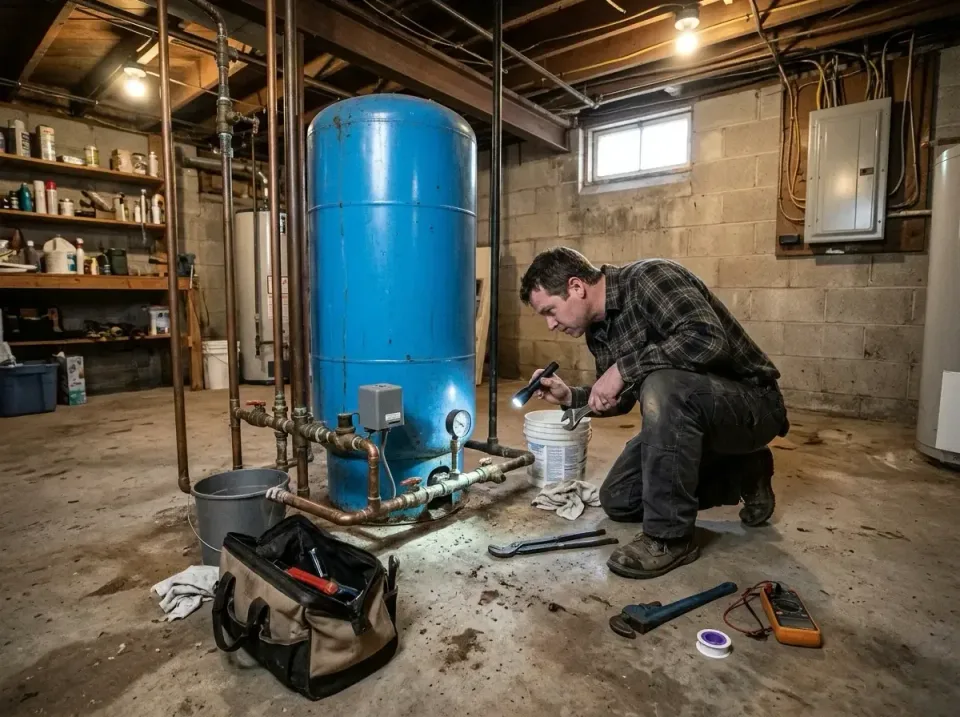
Well pressure tank repair for Chattanooga Valley, GA homes includes tank and connection work; final cost depends on tank size, parts, access, and site conditions.
We repair residential booster pumps, checking controls, pressure switches, and accessible connections; repair scope and parts determine the final cost.
We repair residential softener valves, bypasses, and resin-bed restrictions; typical jobs may run $150–$600 depending on parts and access.
Tankless water pressure repair checks restricted heater passages and connections; the quote depends on access, parts, and the condition of the unit.
Water Filter Pressure Repair clears restricted cartridges and housings for Chattanooga Valley, GA homes; typical repairs run $150–$500, depending on filter type and access.
Upper-floor pressure diagnosis for Chattanooga Valley, GA homes includes comparing flow at fixtures on different levels; access and the cause determine the repair scope and price.
Lookout Mountain views frame a rural valley where homesites may use different water supplies and plumbing layouts. Nearby Chickamauga battlefield gives the area a distinct local landmark, while hillside properties can make pressure readings vary from one fixture level to another. We test before recommending repairs.
Residents can expect our team to check the affected fixtures and supply equipment, with access to the meter or well components arranged ahead of time. Call (877) 773-0781 to discuss a visit.
When an upstairs faucet barely flows or shower pressure drops as another tap runs, the first step is to compare fixtures and measure pressure. In Chattanooga Valley, rural homesites may have well equipment that needs checking alongside indoor plumbing; hillside properties also make elevation relevant to the reading.
Frequent spring thunderstorms can bring brief power interruptions, so a well system that behaves differently after an outage deserves a check of its pump controls and pressure tank. We also consider freeze-thaw stress on exposed plumbing and the possibility of frozen sections during hard winter conditions. A quick safe check: compare cold flow at two taps, without opening equipment.
Our team records the symptom, tests pressure, and traces the likely restriction or supply issue before recommending work. We serve ZIP codes 30725 and 30741.
On Chattanooga Valley’s hillside properties, a tap upstairs may run weaker than one near the service entry because pressure readings can change with elevation. Lookout Mountain views are part of this terrain; our team compares flow at more than one fixture instead of judging the system from a single faucet.
Inland areas generally avoid direct storm surge, but that does not rule out local water-system problems. If a water softener is restricting flow, pressure may fall after water passes through it; note whether bypassing the unit, if its manufacturer provides a normal user bypass, changes the symptom. Dynamic pressure is measured while water flows, which helps show whether the system loses pressure under demand.
We check the softener and nearby plumbing without asking customers to dismantle equipment. For a safe first check, compare cold flow at a tap before and after the softener. Call us if the difference persists.
Title 12, Chapter 5, makes drinking-water protection relevant when work affects components connected to potable water; customers should not bypass safeguards to chase more pressure.
Before diagnosing a low faucet, our team records static pressure with fixtures closed and flowing pressure during use, then explains whether the problem points to the fixture or the supply. Keep the faucet aerator clean as a safe first check.
We confirm what applies before starting and explain the paperwork for the Chattanooga Valley job.
Get a clear diagnosis and repair options from a local plumbing team.
The team tests pressure, checks multiple fixtures, and confirms whether your home uses municipal or well water. That helps narrow the cause before anyone recommends a repair.
A technician explains the findings and reviews repair options with you before work begins. You can understand the proposed scope and decide how to proceed.
Georgia-licensed plumbing professionals draw on ten years in business and experience with changing water systems and older homes. The crew also documents existing piping and valve orientation.
The crew checks the symptoms, explains the findings, and verifies pressure after repairs.
Confirm the Visit
The team coordinates an appointment across Georgia and confirms your symptoms and service location before dispatch. You know what information to share and where the technician is headed.
Test Water Pressure
On site, the technician records static and flowing pressure, checks multiple fixtures, and confirms the water source. These tests help isolate whether the issue affects one fixture or the home.
Complete and Verify
After the agreed repair, the technician checks pressure at multiple fixtures and compares the results. You get a practical confirmation of the work and can raise any remaining concerns.
Debris caught in faucet screens can restrict flow at the tap. If you notice particles when cleaning an aerator, note which fixtures are affected and whether the issue returns. That detail can help distinguish a local blockage from a broader supply concern.
A change in flow after plumbing work is a useful clue, even if the pressure problem seems minor. Keep track of which fixtures changed and when you first noticed it. Sharing that context can help a technician focus the inspection.
Unusual clicking or humming from a well pump control area can signal that the system deserves attention. Avoid opening electrical controls yourself. Note when the sound occurs and tell the technician, especially if the household also notices a change in water service.
Frequent spring thunderstorms can bring valley fog and changing outdoor conditions around service access. If pressure concerns are on your list, arrange an assessment and mention any access considerations. A technician can test the system and explain what the readings show.
Hot, humid summer conditions are part of plumbing work across Georgia, and outdoor equipment may be exposed to them. A pressure check can help you understand a concern at any time of year. Share whether the home uses municipal or well water.
Fall is a practical time to address a pressure concern before colder weather changes outdoor access. The crew can check fixtures and pressure readings, then explain possible causes. Mention any recent changes to your plumbing or water service when arranging the visit.
Winter conditions can make outdoor plumbing areas harder to access, so note any site constraints when planning service. Pressure testing can still help narrow the cause indoors. A technician can review findings and repair options with you before work begins.
Ask who will perform the plumbing work and confirm their Georgia credentials. Georgia Plumbing Pros states that its plumbing professionals are licensed, helping you understand who is responsible for the service.
Ask how the team coordinates appointments and confirms your location before dispatch. Clear confirmation helps ensure the technician is sent to the right service address and understands the visit details.
Request a quote online or contact our Chattanooga Valley, GA team directly by phone or email.
The system may be losing pressure as demand rises, or a restriction may limit flow. In Chattanooga Valley hillside homes, elevation can also affect fixture readings. Compare two cold-water taps, then have our team test pressure while water is flowing.
Compare an upstairs faucet with one on a lower level and note whether the hot, cold, or both sides are weak. Do not adjust pressure equipment yourself; our team can test the system and trace the loss in your Chattanooga Valley home.
Yes. A well pump, pressure tank, or supply issue can affect multiple fixtures. If your rural Chattanooga Valley home has weak flow throughout, note any recent power interruption and whether the pump seems to run unusually often.
Low Water Pressure Repair is also available in these nearby communities across Georgia.