Well Pump Repair
Well pump repairs for Georgia homes include pump-depth and failed-component diagnosis; typical repairs run $300–$1,500, driven by pump depth and parts.
A faucet that slows to a trickle while other fixtures are off can point to buildup inside a water line, not just a dirty aerator. Georgia Plumbing Pros handles clogged water line repair across Georgia, tracing restricted flow and addressing the affected pipe rather than guessing at the cause.
Browse all service options available across Georgia and choose the right fit for your project.
Well pump repairs for Georgia homes include pump-depth and failed-component diagnosis; typical repairs run $300–$1,500, driven by pump depth and parts.
We install residential booster pumps sized to household demand, including pump capacity and electrical work; typical installation runs $800–$2,500.
We repair or replace home pressure regulators, including accessible valve assemblies; typical repairs run $250–$600 depending on valve condition and parts.
Low cold-water pressure service for homeowners includes checking cold-side valves and accessible piping. Typical repair costs depend on parts, pipe condition, and access.
Water Pressure Testing compares gauge readings and fixture flow for Georgia homeowners; a typical test is $75–$200, depending on access and fixture count.
We trace sudden home pressure loss, including meter and buried-line issues; access and excavation needs shape the repair scope and cost.
Whole-house pressure diagnosis for homeowners includes checking the main supply and accessible piping; repair scope and access shape the cost, with final quotes based on site conditions.
We diagnose weak showers for homeowners, including showerhead and supply-side restrictions; typical repairs run $150–$500, depending on access and parts.
We repair leaking residential water lines, including buried sections; typical jobs run $300–$2,000, depending on leak location and excavation access.
We diagnose weak kitchen and bathroom faucets, including accessible fixture connections. Typical repair runs $100–$350, depending on faucet condition and access.
We trace fluctuating home pressure through fixture and system checks; repair scope depends on the cause, access, and parts required.
We trace weak flow between the municipal meter and home, checking accessible service-line connections; saturated soil after rain can complicate access near Macon's Ocmulgee Mounds National Historical Park, and storm d...
Low hot-water pressure service for Georgia homes includes tracing restricted hot-side flow and checking accessible fixtures; typical repairs run $150–$600, depending on access and parts.
Well pressure tank repair for Georgia homes includes tank and connection work; final cost depends on tank size, parts, access, and site conditions.
We repair residential booster pumps, checking controls, pressure switches, and accessible connections; repair scope and parts determine the final cost.
We repair residential softener valves, bypasses, and resin-bed restrictions; typical jobs may run $150–$600 depending on parts and access.
Tankless water pressure repair checks restricted heater passages and connections; the quote depends on access, parts, and the condition of the unit.
Water Filter Pressure Repair clears restricted cartridges and housings for Georgia homes; typical repairs run $150–$500, depending on filter type and access.
Upper-floor pressure diagnosis for Georgia homes includes comparing flow at fixtures on different levels; access and the cause determine the repair scope and price.
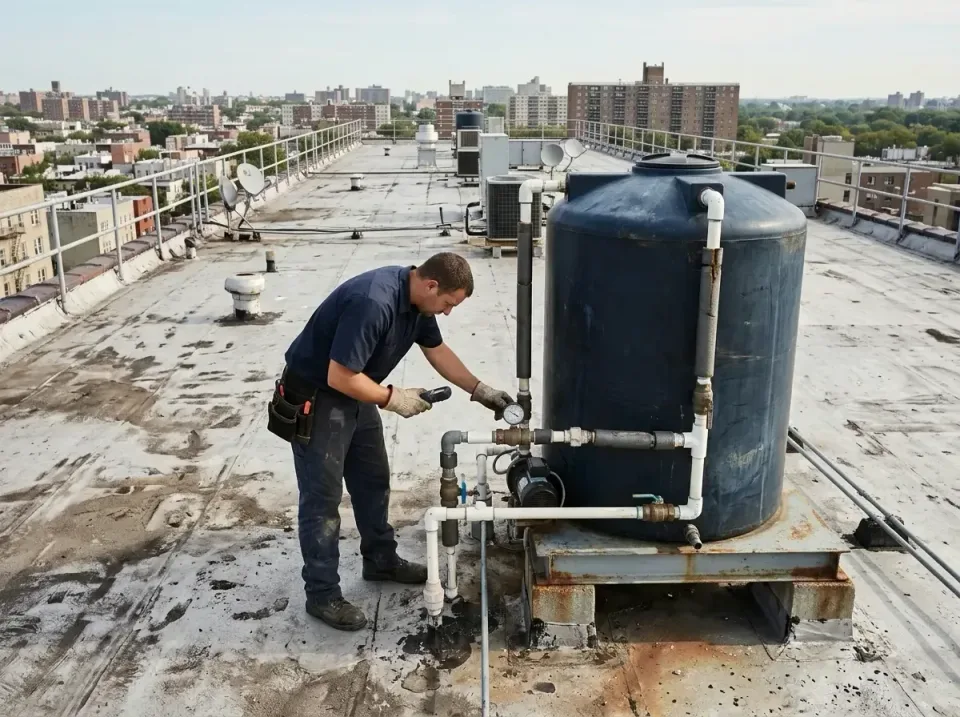
A line can be blocked by mineral scale, corrosion, or debris, and the right repair depends on where the restriction sits. We compare static pressure with dynamic pressure and check flow in gallons per minute; a pressure drop while water runs helps narrow the affected section before we open or replace piping.
Near Cumberland Mall in Atlanta, access to a buried service line may require careful coordination around the property rather than a quick interior fix. Frequent summer thunderstorms can cause brief power outages, so customers with powered plumbing equipment should note interruptions that coincide with changing flow. We keep the work area and scope clear.
Our crew explains the likely cause, repair options, and access needs before work begins. For a scope review, call (877) 773-0781.
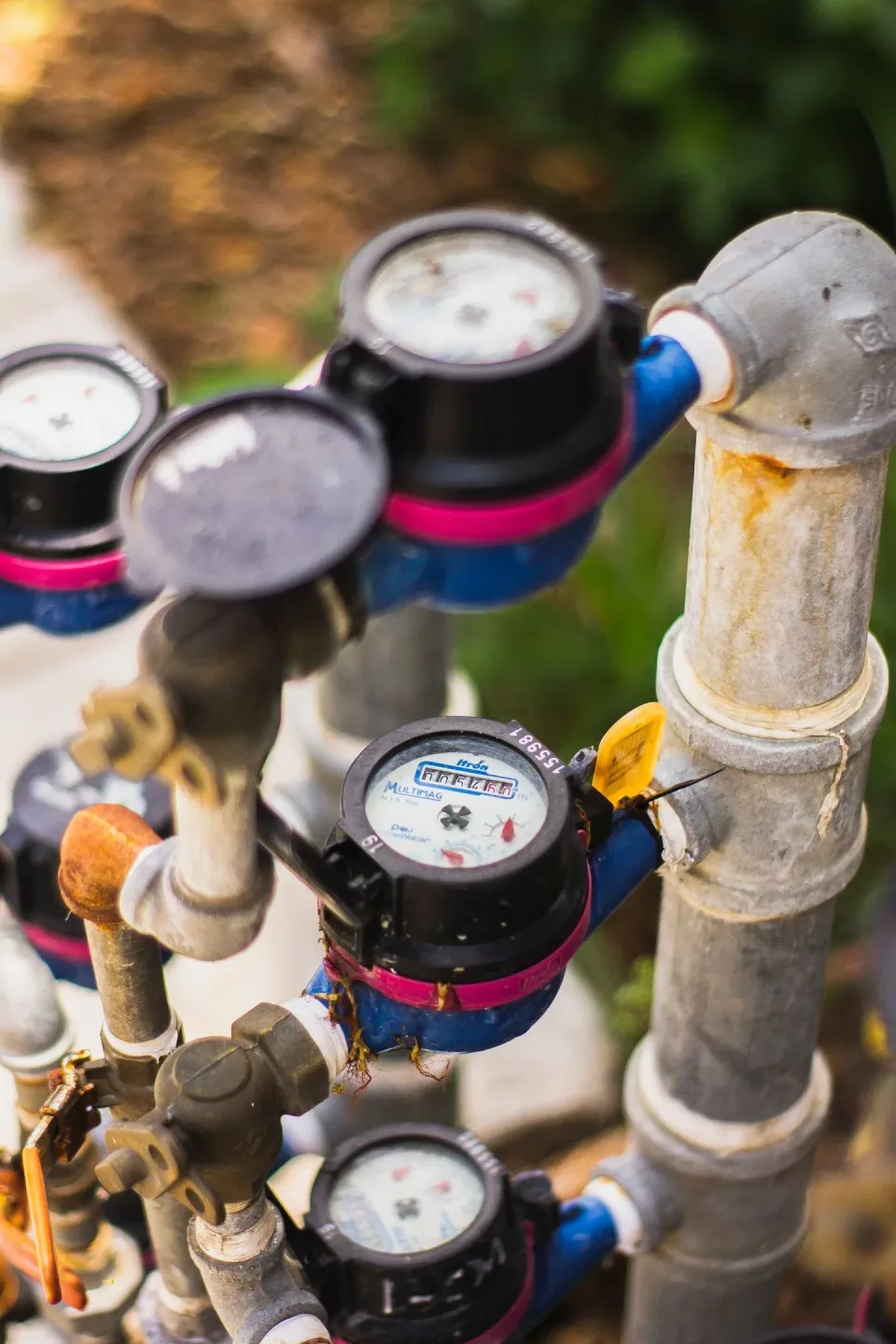
We begin by locating the affected fixtures and confirming which sections of the supply system show reduced flow. That first comparison keeps the work focused.
Next, we take pressure readings with fixtures closed and while water flows, because static and dynamic results can point to different restrictions. We inspect accessible piping and identify any sections that may need exposure; the findings determine whether clearing or a pipe repair is appropriate. Pressure readings can vary with elevation and simultaneous water use, so we note which fixtures are running during the test.
The crew reviews the proposed scope with you before opening or replacing pipe. In areas such as Athens downtown district, access and building layout can shape how a repair is approached, while seasonal rainfall can affect groundwater and well performance for properties on private wells.
Atlantic hurricane season runs June through November, so coastal customers may want to plan around weather-related access concerns. We finish by checking flow at the affected fixtures and explaining what was corrected.
A clogged line in a Georgia home can tempt a homeowner to force a cleaning tool into the pipe, but that can damage a fitting or leave the actual restriction untouched. Stop before the pipe is opened.
Our crew compares pressure and flow at more than one point, then explains how the results narrow the location of the blockage. Hot, humid summers increase plumbing-system demand, so a restriction may become more noticeable when household water use rises. At a home near the National Infantry Museum in Columbus, as elsewhere in the state, we account for the property’s actual pipe layout rather than assuming every line follows the same route.
Pipes in unheated spaces can freeze during cold snaps; a damaged or stressed section should be assessed before a repair plan is chosen. We confirm the scope and access needs with you, and our Georgia-licensed plumbing professionals perform plumbing work. For context on symptoms, see our guide to weak upstairs faucet pressure.
A clog in an accessible indoor pipe is a different job from a restriction in a buried service line. The price turns on where the blockage sits, how much pipe must be reached, the material and condition of the line, and whether excavation or replacement is needed.
For a broad planning range, residential clogged-line work may run about $300–$1,500; the obstruction’s location and repair access can move the scope substantially. A simple, accessible section generally takes less work than a concealed or underground obstruction.
At a property near the Atlanta Botanical Garden, for example, the relevant cost question is the actual pipe route and access not the landmark itself. Drought periods can strain private wells, so a low-flow complaint at a well-served home should be diagnosed before assuming a pipe clog.
Final quotes depend on repair scope, equipment, access, and site conditions. Georgia Plumbing Pros can review the findings and provide a job-specific quote at (877) 773-0781.
Inland Georgia avoids direct storm surge, but that does not rule out flooding from heavy rain.
High summer humidity can promote indoor condensation, so moisture on a pipe does not by itself prove the line is leaking or clogged. Dry the surface and observe whether moisture returns while the line is not in use; persistent low flow still calls for a pipe assessment.
Yes, North Georgia experiences more frequent hard freezes, and a pipe in an unheated space may be stressed or damaged during a cold snap. If flow changes after freezing weather, avoid applying direct heat and have the affected section checked before assuming debris is the only cause.
Yes, tropical systems can bring coastal flooding and outages that complicate access to a property or utility service. Around the Jekyll Island Historic District, note any storm-related access limits when arranging an assessment so the crew can discuss a practical scope.
Yes, winter temperatures vary considerably across the state, so a repair plan for a home near Valdosta State University may face different cold-weather conditions than one in North Georgia. Tell the plumber whether the affected pipe runs through an exposed or unheated area.
No, condensation linked to high summer humidity can form on pipe surfaces without identifying a blockage or its location. Photograph the affected area and note which fixtures have reduced flow; those details help Georgia Plumbing Pros assess the issue without treating moisture as proof of a clog.
Select a city to find local low water pressure repair providers we cover in Georgia.