Well Pump Repair
Well pump repairs for Georgia homes include pump-depth and failed-component diagnosis; typical repairs run $300–$1,500, driven by pump depth and parts.
A pressure tank that clicks on and off while the water runs can leave a Georgia home with uneven flow and a pump that never gets a rest. Georgia Plumbing Pros repairs well pressure tanks and checks how the tank, pump, and pressure switch work together. We serve homeowners across Georgia and explain the repair scope before work begins.
Browse all service options available across Georgia and choose the right fit for your project.
Well pump repairs for Georgia homes include pump-depth and failed-component diagnosis; typical repairs run $300–$1,500, driven by pump depth and parts.
We install residential booster pumps sized to household demand, including pump capacity and electrical work; typical installation runs $800–$2,500.
We repair or replace home pressure regulators, including accessible valve assemblies; typical repairs run $250–$600 depending on valve condition and parts.
Low cold-water pressure service for homeowners includes checking cold-side valves and accessible piping. Typical repair costs depend on parts, pipe condition, and access.
Water Pressure Testing compares gauge readings and fixture flow for Georgia homeowners; a typical test is $75–$200, depending on access and fixture count.
We trace sudden home pressure loss, including meter and buried-line issues; access and excavation needs shape the repair scope and cost.
Whole-house pressure diagnosis for homeowners includes checking the main supply and accessible piping; repair scope and access shape the cost, with final quotes based on site conditions.
We diagnose weak showers for homeowners, including showerhead and supply-side restrictions; typical repairs run $150–$500, depending on access and parts.
We repair leaking residential water lines, including buried sections; typical jobs run $300–$2,000, depending on leak location and excavation access.
Clogged water line repair clears or corrects restricted residential piping, with the work scope and access affecting a typical $300–$1,500 job.
We diagnose weak kitchen and bathroom faucets, including accessible fixture connections. Typical repair runs $100–$350, depending on faucet condition and access.
We trace fluctuating home pressure through fixture and system checks; repair scope depends on the cause, access, and parts required.
We trace weak flow between the municipal meter and home, checking accessible service-line connections; saturated soil after rain can complicate access near Macon's Ocmulgee Mounds National Historical Park, and storm d...
Low hot-water pressure service for Georgia homes includes tracing restricted hot-side flow and checking accessible fixtures; typical repairs run $150–$600, depending on access and parts.
We repair residential booster pumps, checking controls, pressure switches, and accessible connections; repair scope and parts determine the final cost.
We repair residential softener valves, bypasses, and resin-bed restrictions; typical jobs may run $150–$600 depending on parts and access.
Tankless water pressure repair checks restricted heater passages and connections; the quote depends on access, parts, and the condition of the unit.
Water Filter Pressure Repair clears restricted cartridges and housings for Georgia homes; typical repairs run $150–$500, depending on filter type and access.
Upper-floor pressure diagnosis for Georgia homes includes comparing flow at fixtures on different levels; access and the cause determine the repair scope and price.
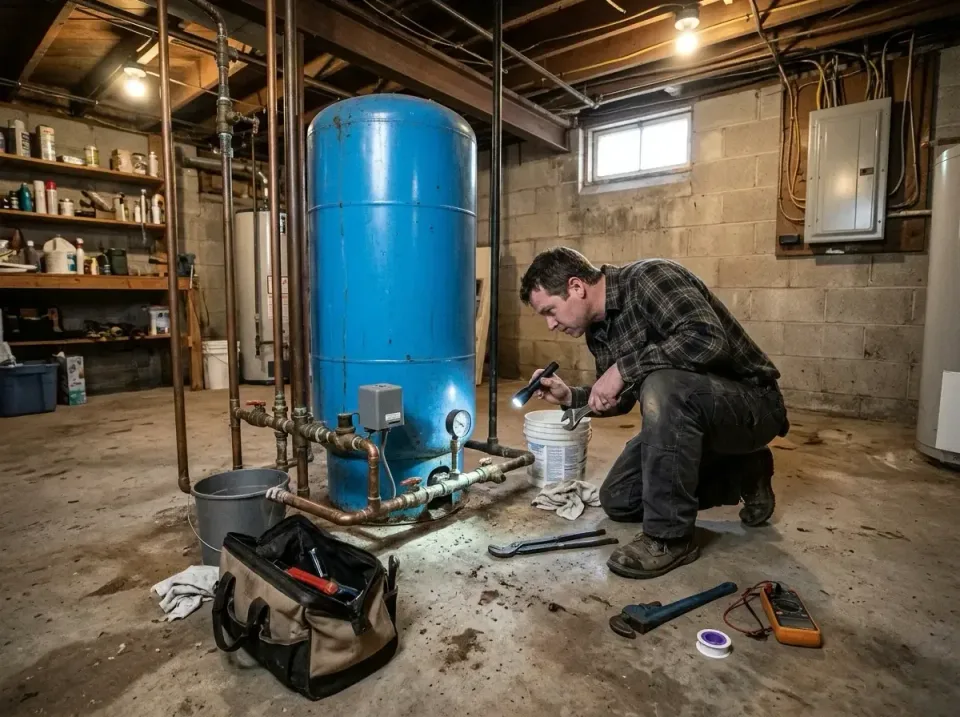
A pressure tank that cannot hold its working pressure may make the pump cycle repeatedly and leave fixtures with uneven flow. We check the tank, pressure switch, and connections before recommending a repair; static pressure is read with fixtures closed, while dynamic pressure is checked as water flows. Those readings help us distinguish a tank problem from changing demand.
Seasonal rainfall affects groundwater and well performance, so a homeowner may notice changing supply alongside tank trouble. In Athens downtown, tight access around older properties can affect where equipment and replacement parts can be staged. Storm debris may also delay utility or repair access after severe weather, so keeping the well area reachable helps avoid extra scheduling complications.
We explain what the readings show, confirm the repair scope, and discuss the parts involved before work begins. For a review of your well pressure tank, call Georgia Plumbing Pros at (877) 773-0781.
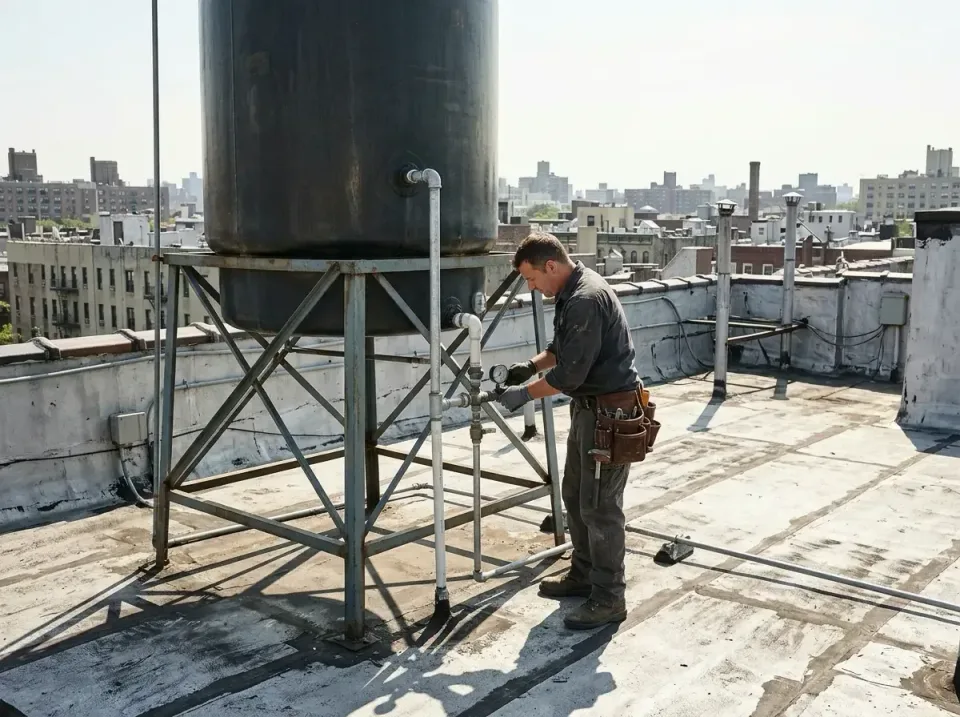
We begin by confirming the property’s well setup and identifying the tank, pump, and pressure switch. Then we record readings with fixtures closed and while water is flowing; residential pressure is commonly targeted at 40–60 psi, but elevation and simultaneous use affect what the numbers mean at a particular home.
We inspect visible tank connections and ask when the pressure change began.
We compare static and dynamic readings and observe pump cycling.
We explain the likely fault, parts, access needs, and proposed scope before work.
After approved repairs, we run the system and check whether pressure behavior has changed.
A visit near Centennial Olympic Park or elsewhere in Atlanta is coordinated around property access and equipment location, while travel and scheduling are discussed clearly for other Georgia areas. The time required depends on the tank layout and the fault found. If the system is still acting up, share any recent changes or pump sounds when arranging service.
A homeowner near Cumberland Mall may see a pump cycling and assume the tank alone has failed, but a pressure switch or another system condition can produce similar behavior. Guessing can lead to replacing a sound component and leaving the original problem untouched.
We test before recommending repairs. Our crew checks pressure readings, tank condition, and switch operation together, then explains the finding in plain language.
That matters during Atlantic hurricane season, which runs June through November: coastal weather can affect access and power, so a well system’s actual operating condition should be established rather than inferred from a brief outage. Frequent summer thunderstorms can also cause brief power outages; after power returns, note whether the pump resumes normal cycling, but do not open electrical controls.
We confirm the scope before work and discuss the parts and access involved. If you are weighing a repair against continued cycling, read about well pump operation and weak flow, then ask our crew to assess the tank itself.
A pressure tank that needs attention may require a small connection repair or more extensive work, so the tank’s condition is only one part of the quote. Size, compatible parts, access to the well equipment, and the time needed to isolate and test the system all affect the scope. Final quotes depend on repair scope, equipment, access, and site conditions.
Winter temperatures vary considerably across Georgia, so the location and protection of exposed equipment can affect access and inspection needs. Near Warm Springs Historic District, as elsewhere in the state, we assess the actual installation rather than assuming conditions from the region alone. North Georgia experiences more frequent hard freezes, and freeze-thaw cycles can stress exposed plumbing; tell us if the tank or connecting lines are in an unheated or exposed area.
We review the findings and proposed work before starting, so you can decide with the scope in hand. Contact Georgia Plumbing Pros at (877) 773-0781 for a repair assessment; we will explain the cost drivers specific to your system.
Hot and Cold Differ
Before: Hot water pressure is weaker than cold water pressure, leaving the cause unclear. The difference may involve the fixture, hot-water equipment, or another part of the plumbing system. A pressure comparison helps narrow down where further inspection should focus.
After: A technician records pressure, checks multiple fixtures, and explains the findings before work begins. The comparison can help distinguish a whole-house pressure concern from one limited to the hot-water side. The customer can review repair options based on the diagnosis.
Permit requirements can depend on the work and local rules. Ask the provider to clarify whether permits apply and who will handle them, so responsibilities are clear before work starts and the repair can follow applicable requirements.
Clear access can help the technician inspect the tank, nearby piping, and controls safely. Ask what space or household access is needed before the appointment, especially if the equipment is in a utility room, crawlspace, or other restricted area.
The agreement should make the approved scope, any changes, and payment terms understandable before work begins. Ask for clarification on anything unclear and confirm how additional findings will be discussed, so there are no surprises about what you have authorized.
Summer heat can increase outdoor water use, so tell us if irrigation or other seasonal demand coincides with pressure changes; inland areas generally avoid direct storm surge, but weather can still affect service planning.
A pump that keeps running after tank work may indicate that the well pressure switch, tank settings, or water supply still needs evaluation. Hot, humid summers increase plumbing-system demand, so note whether the pattern changes when household or outdoor use increases.
Yes, pipes in unheated spaces can freeze during cold snaps, which may stress tank connections or interrupt water flow. Keep the well equipment area protected where practical, and have a plumbing professional assess visible damage rather than heating components with an open flame.
High summer humidity can promote indoor condensation, so moisture near a tank should not automatically be treated as a leak. Check whether water returns after drying the area, and tell the technician where and when you see it; the National Infantry Museum in Columbus is a familiar regional reference, not a measure of conditions inside your home.
If the tank repair does not restore expected flow, ask the plumber to check the well pressure switch and the rest of the well system before authorizing additional work. The Augusta Riverwalk is a useful reminder that local water settings differ; your property’s own readings and system arrangement should guide the decision.
Share when the cycling or weak flow began, whether the pump runs after fixtures close, and photos of the accessible tank label and surrounding area if available. Near Chattahoochee River National Recreation Area, as elsewhere, clear access to the well equipment helps the crew plan the visit; do not remove covers or handle electrical parts.
Select a city to find local low water pressure repair providers we cover in Georgia.